
If you’ve checked cricket odds and you’re thinking about putting money into a betting account, the money-moving part can feel more complicated than the odds. In Great Britain (GB), there are specific rules and common checks that affect how deposits and withdrawals work.
This page explains the practical “what to expect” in plain English: the GB credit-card restriction for gambling, why a withdrawal can trigger verification questions, and what it means when a business asks you to read a customer-funds protection statement.
Keep in mind that requesting a large payout will almost certainly trigger standard age and financial verification checks mandated by the UK Gambling Commission.
Essential Security Checks Before Funding Your Betting Account
Before you enter card or bank details, do these small checks. They reduce the chance of payment problems and help you avoid scams.
- Check the business is licensed for Great Britain. Use the UK Gambling Commission (UKGC) public register rather than trusting logos, “licence numbers” in banners, or messages from affiliates.
- Make sure you are on the correct website. Type the address yourself, double-check the domain, and be cautious with links from emails, texts, or social media.
- Know the credit-card restriction. In GB, gambling with credit cards is banned. If a site lets you try, the payment should be blocked.
- Read the “customer funds protection” disclosure. UKGC requires businesses to show how (or whether) your account balance is protected if the business becomes insolvent.
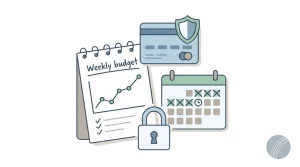
- Decide your limits early. If you plan to bet at all, setting deposit or time limits before you start is often easier than trying to rein things in later.
Credit cards and gambling in GB: what the restriction really means
The UKGC has banned gambling with credit cards in Great Britain. For everyday users, the practical outcome is simple: you should not be able to fund sports-betting activity with a credit card.
It also affects some “in-between” setups. UKGC guidance says that if a business accepts payments through an e-wallet, it must make sure the wallet funds were not loaded with a credit card. In other words, “it’s an e-wallet” does not automatically mean credit-card funding is allowed.
Different gambling products can have different rules (for example, some non-remote lottery purchases). This page is focused on online sports betting, where the credit-card restriction is a key expectation.
Deposit vs withdrawal: where checks can happen
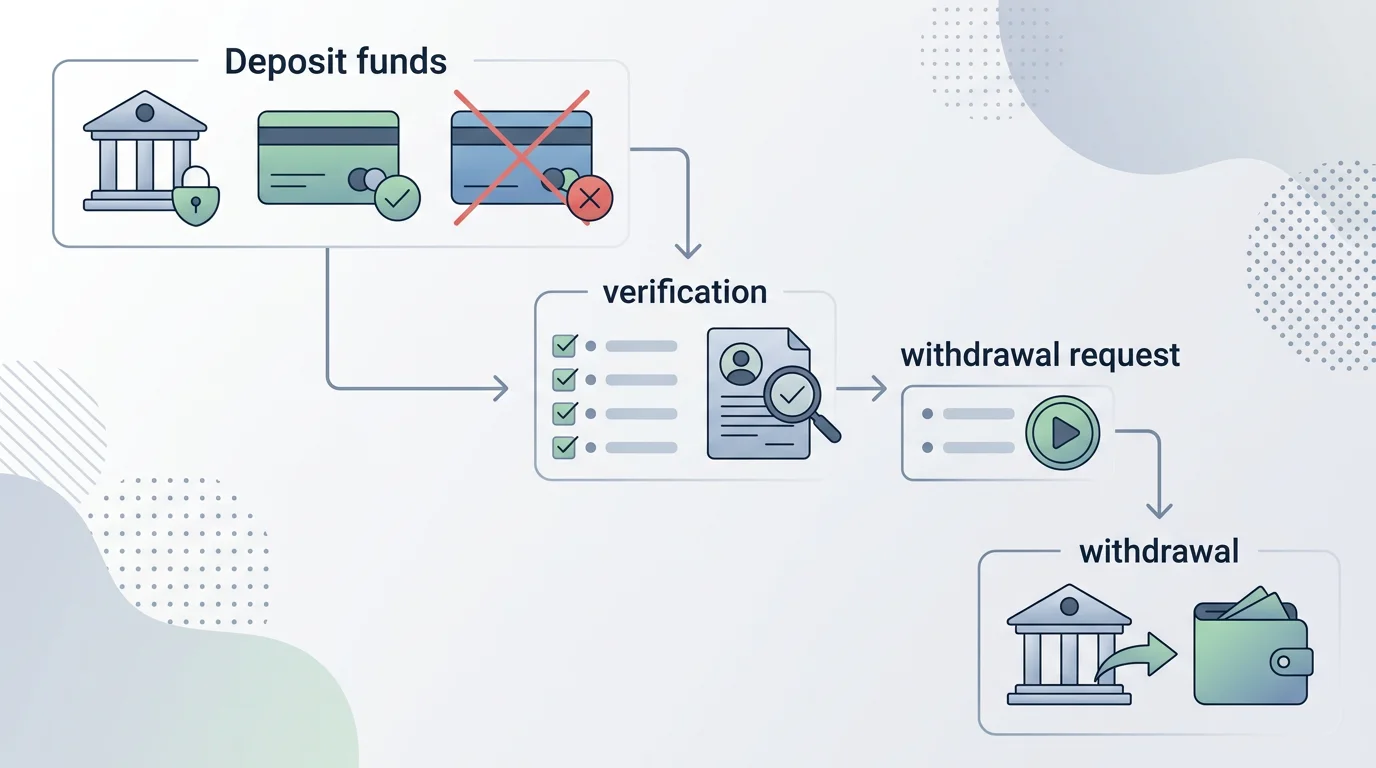
Deposits are usually about whether the payment method is permitted and whether the account setup is complete. Withdrawals can add extra questions because money is leaving the system.
| Stage | What you might notice | Why it can happen | What you can do safely |
|---|---|---|---|
| Deposit | Credit cards are refused, or a payment is declined even though the card “works elsewhere”. | In GB, credit-card gambling is prohibited and businesses must prevent it. | Use a permitted method offered by the business. If you are unsure, ask support to explain which methods are allowed—do not look for workarounds. |
| Deposit | You are asked to confirm you’ve read a statement about protecting customer funds. | UKGC requires businesses to disclose their customer-funds protection level and obtain acknowledgement. | Read the disclosure and decide whether you are comfortable holding money in the account balance. Keep the statement (screenshot or saved copy) for your records. |
| Withdrawal request | You are asked for proof of age/identity, or to re-confirm details you already provided. | Age and identity checks are part of GB player protection rules; businesses also need to prevent fraud and meet anti-money laundering obligations. | Use only the official upload area inside your account. If you’re not sure why something is being requested, ask the business to explain it in writing. |
| Withdrawal request | You are asked questions about where funds come from, or to provide supporting information. | UKGC guidance explains why businesses may ask about finances, including verifying legitimacy of funds and reducing financial harm. | Answer honestly through official channels. If you do not want to provide the information, be prepared that you may not be able to continue and may need to follow the complaints route. |
| Withdrawal request | The business prefers returning money to a previously used payment method. | Many payment controls are designed to make sure money goes back to the right person and to reduce misuse. | Plan ahead by keeping your payment details consistent and in your own name. Avoid using third-party payment instruments. |
If you want a deeper explanation of the verification steps and why finance questions happen, see the page on age/ID and financial checks.
Customer funds protection: why the disclosure matters
When you hold money in an online gambling account, that balance is not the same as money in a bank account. UKGC requires businesses to explain how they protect customer funds if the business becomes insolvent, and to show this information as part of the deposit journey.
Two practical points to understand:
The main point is that the level of protection can differ: some businesses may state that customer funds are not protected if the business fails, so read the disclosure carefully and treat it as a real risk decision, not a formality. Open bets are different from your balance because UKGC guidance says money staked in unsettled bets (“open bets”) is not counted as customer funds for these protections, which matters if you keep large stakes tied up in open markets.
A simple habit is to keep your own notes on what you deposited, what you withdrew, and what remained as a balance. If a dispute happens, this makes the conversation much clearer.
Why withdrawals can trigger extra questions
It’s common for businesses to apply more scrutiny when money is leaving an account than when it’s going in. This is not always a sign of wrongdoing—it is often a control system trying to confirm the account belongs to you and that the payment journey is legitimate.
Extra questions often relate to:
They may include confirming age and identity (including checks linked to self-exclusion records), confirming ownership of the payment instrument, checks linked to anti-money laundering duties and fraud prevention, and making sure the account activity matches the information on file.
If a withdrawal is delayed and you think the business is not following its own process, keep communication polite and written, and use the formal complaints route. The complaints and ADR page explains a safe escalation path in Great Britain.
If something feels wrong: a safe way to pause and re-check
Payment stress often pushes people to act quickly. Slowing down can prevent bigger problems.
- Do: stop and confirm you’re on the correct domain; verify licensing through the UKGC register; save screenshots of error messages and transaction confirmations.
- Do: contact the business through its official help channels inside your logged-in account.
- Don’t: send documents via links from unsolicited messages, even if they look “official”.
- Don’t: look for ways around payment blocks, verification checks, or account limits. If a block exists, the safe step is to understand the reason and use official routes.
A short safer-gambling note
Money-moving topics sit close to risk. If you’re betting at all, setting limits early and avoiding “chasing losses” are two simple guardrails that can reduce harm. The safer gambling tools and support page covers practical options in Great Britain.
To ensure a smooth banking experience, we recommend using the operators featured on our top cricket betting site.