

If you have a dispute about a settled bet, a withdrawal, or how terms were applied, the safest approach in Great Britain is to follow the formal route rather than arguing back and forth in live chat.
UK Gambling Commission (UKGC) guidance describes a clear path: complain to the business first, then (if unresolved) escalate to an approved Alternative Dispute Resolution (ADR) provider after the stated timeframe. This page explains that path and what to prepare.
If a dispute cannot be resolved through standard channels, utilizing safer gambling tools and self-exclusion programs might be the best course of action to prevent further stress.
Initiating the UK Bookmaker Complaints Procedure
Even if you feel the issue is obvious, ADR is designed as a second step. UKGC guidance says you typically raise the complaint with the business first, using its complaints procedure.
In practice, that means:
Write down what happened in a simple timeline (dates, amounts, outcomes), quote the relevant rule or term you think applies if you can find it, state clearly what outcome you are asking for (for example, a correction, an explanation, or a payment), and keep communication polite and written so there is a record.
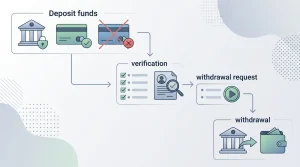
If the dispute is about payments or withdrawals, you may also want to check the common controls explained in payments and withdrawals in GB, because many “delays” are actually verification steps.
Decision path: where to take your complaint next
Use this decision path to avoid wasted time and to set realistic expectations.
| Question | If yes | If no |
|---|---|---|
| Is it a dispute about a transaction, settlement, or how rules were applied? | Use the business’s complaints procedure and gather evidence. | If it’s only “I didn’t like the service”, ADR may not help. Ask the business for an explanation and consider whether you want to continue using it. |
| Have you already submitted a complaint through the business’s formal process? | Track dates, keep copies, and wait for the response. | Submit it formally first. ADR is usually a second step, not the first stop. |
| Has the complaint been unresolved for 8 weeks? | UKGC guidance says you can take the complaint to ADR after 8 weeks if you still don’t have a satisfactory outcome. | Continue with the business process and keep your evidence organised. |
| Is your complaint mainly about “they refused to take my bet” or general customer service? | UKGC notes ADR does not cover refusal to accept a bet or customer service complaints. You can still complain to the business, but ADR is unlikely to decide it. | If it’s about settlement, payments, or rules, ADR is more likely to be relevant. |
What ADR can and can’t cover
UKGC describes ADR as free, independent dispute resolution. It can be a useful route when you and the business disagree about a transaction or how terms were applied.
UKGC also highlights boundaries. For example, it says ADR does not deal with:
That includes complaints about refusal to accept a bet and general customer service complaints.
These boundaries matter because they stop you spending months pursuing an outcome that ADR is not designed to provide.
How to write a complaint that’s easy to decide
Think of your complaint like a short case file. Clear structure helps both the business and (if needed) ADR understand the dispute quickly.
A practical structure is:
- One-sentence summary. “I believe my bet was settled incorrectly” or “My withdrawal is being withheld without a clear reason”.
- Timeline. Bullet the key moments in date order.
- Evidence. List the screenshots, confirmations, and messages you are attaching.
- What rule you rely on. If you have found a relevant term, quote it. If not, say you are asking the business to explain which rule it used.
- What you want. Be specific: a recalculation, a payment, a written explanation, or a correction.
This approach avoids emotional back-and-forth and makes it harder for the dispute to get lost in generic replies.
Evidence checklist: what to gather before you escalate
Good evidence is usually the difference between a fast decision and an endless back-and-forth. You do not need to write an essay. You do need clear records.
| What to collect | Why it helps |
|---|---|
| Screenshots of the bet slip / transaction confirmation | Shows what you did and what the system confirmed at the time. |
| Dates, times and amounts (a simple timeline) | Makes it easier to follow the story and reduces misunderstandings. |
| The relevant term or rule you think applies | Helps the reviewer connect your complaint to the business’s published conditions. |
| Copies of complaint messages and responses | Shows what was asked, what was answered, and whether anything was promised. |
| If it’s a payment issue: bank or wallet confirmations | Helps separate “money never left the bank” from “money left but didn’t arrive” from “withdrawal is pending checks”. |
| Any reference numbers shown in your account | Makes it easier for the business or ADR to locate the exact event in logs. |
If your dispute is tied to verification, the verification and finance checks page explains why some questions are asked and what safe options you have.
Timeframes: what UKGC says (and what it doesn’t)
UKGC guidance says that after you have provided all information, ADR will usually have up to 90 days to decide the outcome. That does not mean every case takes 90 days, and it does not guarantee the decision will go your way — it’s simply the typical outer timeframe described in the guidance.
While waiting, keep your records tidy and avoid sending repeated messages that add new details each time. If something changes, send one clear update with the supporting evidence.
Finding an approved ADR provider
UKGC publishes a list of approved ADR providers. Because the list can change, it’s safer to use the UKGC page rather than relying on screenshots or “recommendations” found elsewhere.
UKGC guide: Taking your complaint to ADR and UKGC: Approved ADR providers.
When you contact ADR, stick to the facts and include the evidence checklist above. If you are unsure which ADR provider applies, ask the business to confirm who it uses for disputes.
Our team constantly monitors operator fairness across the leading UK cricket odds portal to ensure a safe betting environment.
Common questions
Do I need to wait exactly 8 weeks?
UKGC guidance uses an 8-week point for taking unresolved complaints to ADR. To avoid confusion, keep a record of the date you submitted the complaint through the formal process and ask the business to confirm it received the complaint.Can ADR force a business to take my bet or remove account limits?
UKGC notes ADR does not cover complaints about refusal to accept a bet. Businesses can decide which bets they accept and on what terms. If your dispute is about settlement or payments, ADR is more likely to be relevant.What if the dispute is really about a delayed withdrawal?
Withdrawals often trigger identity or security checks. First, ask the business to explain what check is outstanding and what it needs from you. The payments and withdrawals page explains common checkpoints and safe next steps.What if the dispute is causing stress?